
Sustainable Kitchen Remodeling Options for New Jersey Homes
A sustainable kitchen remodel is not just about choosing recycled materials or adding energy-efficient appliances. For New Jersey homeowners, the best sustainable kitchen is one that performs better every day, lasts longer, wastes less during construction, and supports the way the family actually lives. That means the design, layout, materials, lighting, ventilation, storage, and construction process all need to work together.
InAt WA Construct, we view sustainability through a design-build lens. A kitchen should be beautiful, durable, efficient, and practical enough to avoid premature replacement. The most environmentally responsible kitchen is often the one planned carefully from the start, built with quality materials, and designed to remain functional for many years instead of needing another major remodel too soon.
What Makes A Kitchen Remodel Sustainable?
A sustainable kitchen remodel uses durable materials, efficient appliances, low-waste planning, better lighting, improved ventilation, responsible product selections, and a layout designed for long-term use. The goal is to reduce energy consumption, limit construction waste, improve indoor air quality, and create a kitchen that will not feel outdated or impractical in just a few years.
Start With A Smarter Kitchen Layout
The most important sustainable decision often happens before materials are selected. A kitchen that functions poorly creates daily frustration and can lead homeowners to remodel again sooner than necessary. Before choosing finishes, focus on how the space should work: where food is stored, how the family cooks, where cleanup happens, how many people use the kitchen at once, and whether the layout supports entertaining, homework, meal prep, and daily traffic.
In many New Jersey homes, especially older houses, the kitchen may be closed off, short on storage, or disconnected from the main living areas. Sustainable planning does not always mean making the kitchen bigger. Sometimes it means reworking the same footprint more intelligently with better cabinet organization, improved appliance placement, wider walkways, and a cleaner connection to the dining or family room. When the layout is right, the kitchen works harder without unnecessary expansion.
Choose Cabinets That Are Built To Last
Cabinets are one of the largest investments in a kitchen remodel, and they also have a major impact on long-term sustainability. Low-quality cabinets may look acceptable at installation but can fail quickly through worn hinges, peeling finishes, weak boxes, and poor drawer construction. A more sustainable approach is to select cabinet systems that can handle years of daily use.
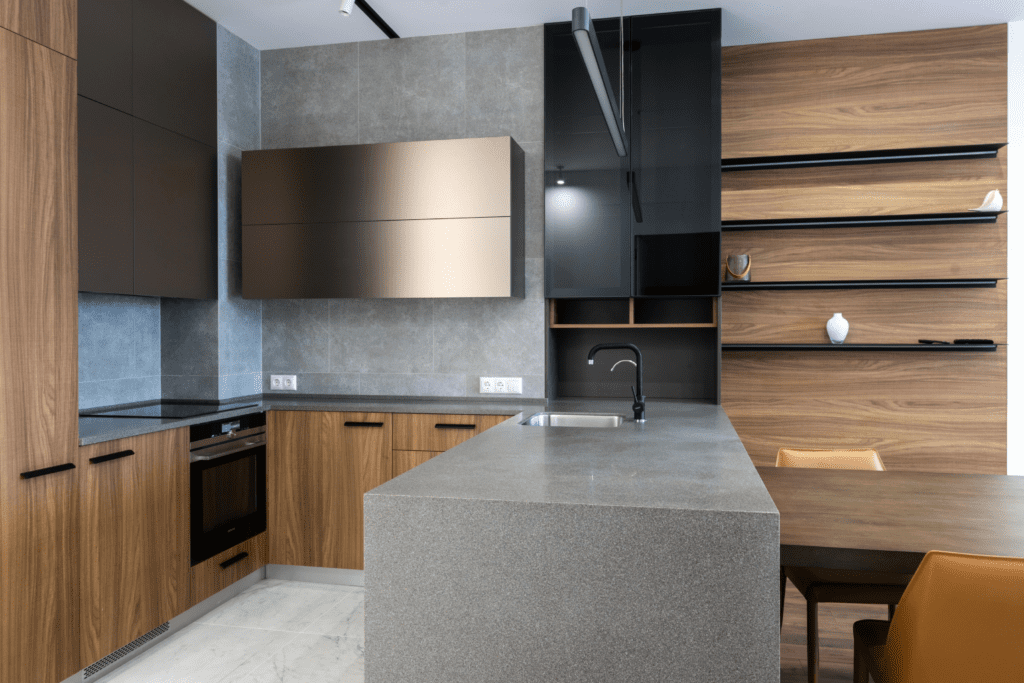
Look for strong box construction, durable drawer glides, quality hinges, practical interior accessories, and finishes that can stand up to moisture, cooking activity, and cleaning. Homeowners should also consider timeless cabinet styles over overly trendy selections. A kitchen with clean lines, thoughtful proportions, and classic materials is less likely to feel dated, which supports long-term value and reduces the chance of another remodel.
Select Countertops For Durability And Maintenance
Countertops should be chosen for more than appearance. In a sustainable kitchen renovation, the right surface should match the homeowner’s cooking habits, maintenance expectations, and long-term durability needs. Quartz, natural stone, porcelain slabs, and other premium surfaces can all be good choices when selected thoughtfully. The best option depends on stain resistance, heat tolerance, cleaning routine, edge details, and how the kitchen will be used.
A countertop that needs constant maintenance or is easily damaged may not be sustainable for a busy household. WA Construct recommends evaluating countertop materials through both design and performance. The goal is to choose a surface that supports the visual direction of the kitchen while also reducing future repair or replacement needs.
Use Energy-Efficient Lighting With Layered Design
Lighting is one of the simplest ways to improve the efficiency and usability of a kitchen. A well-designed lighting plan should include ambient lighting, task lighting, and accent lighting. Recessed lights may provide general illumination, while under-cabinet lighting improves visibility for prep work. Decorative fixtures over an island can add warmth and identity without carrying the full lighting load alone.
LED lighting is a smart standard for most modern kitchen remodels because it uses less energy and lasts longer than older lighting options. However, the design matters as much as the bulb. Poorly placed lighting can create shadows, glare, and dark work zones. Sustainable lighting should make the kitchen safer, more comfortable, and more efficient without over-lighting the space.
Upgrade Appliances With Real-Life Efficiency In Mind
Energy-efficient appliances can reduce operating costs, but the right appliance package should also fit the family’s lifestyle. A large refrigerator, induction cooktop, efficient dishwasher, vented range hood, and well-sized oven can all improve kitchen performance when chosen correctly. The key is not to overbuy or under-plan. Appliances should fit the layout, electrical capacity, cabinetry, ventilation strategy, and daily cooking habits.
For many homeowners, the most sustainable appliance decision is choosing products that are reliable, repairable, and properly integrated. A kitchen design should account for clearances, door swings, panel-ready options, appliance garages, microwave placement, and future service access. When appliances are planned early, the finished kitchen feels intentional instead of forced.
Improve Ventilation And Indoor Air Quality
Sustainability also includes the health and comfort of the home. A kitchen produces moisture, heat, odors, and cooking byproducts. A proper ventilation plan helps protect indoor air quality and can reduce moisture-related issues over time. This is especially important in tighter, better-insulated homes where air does not naturally leak in and out as much as it did in older construction.
A range hood should be selected based on the cooking equipment, kitchen layout, duct path, noise level, and makeup air considerations, where applicable. Good ventilation is not only a mechanical detail; it is part of the homeowner experience. A beautiful kitchen that traps odors or feels uncomfortable during cooking is not performing at a high level.
Consider Sustainable Flooring That Handles Daily Life
Kitchen flooring needs to handle traffic, spills, pets, children, dropped utensils, and repeated cleaning. Sustainable flooring should be durable, comfortable, and appropriate for the rest of the home. Options may include engineered wood, tile, luxury vinyl, or other materials, depending on the existing structure, design goals, and maintenance preferences.
The best flooring choice is not only the one with an eco-friendly label. It is the one that fits the home, performs well, and avoids early replacement. In open-concept remodels, flooring transitions are especially important. If the kitchen connects to surrounding rooms, the design-build team should plan how new and existing flooring meet, how heights align, and whether refinishing or replacement is the better long-term decision.
Reduce Waste Through Better Planning
Construction waste is often the hidden side of remodeling. Poor planning can lead to rework, extra material orders, incorrect measurements, rushed selections, and avoidable demolition. A more sustainable remodel starts with clear documentation: design drawings, selections, specifications, schedules, and a realistic understanding of what is included before construction begins.
WA Construct’s planning-first approach helps reduce uncertainty before the project reaches the field. When cabinetry, counters, fixtures, appliances, tile, lighting, and layout decisions are coordinated early, the project has fewer surprises. This protects the budget, reduces waste, and gives homeowners more confidence throughout the process.
Choose Timeless Design Over Short-Lived Trends
A trend-driven kitchen may photograph well today, but feel dated quickly. Sustainable design should balance beauty with staying power. That does not mean the kitchen needs to be plain. It means the permanent elements – cabinets, counters, layout, flooring, and major fixtures should have a long design life. More expressive choices can be added through hardware, lighting, stools, accessories, paint, or smaller details that are easier to refresh later.
For New Jersey homeowners investing in a high-quality kitchen remodel, timeless design is also a value decision. A kitchen that feels current without being overly trendy can support resale value and long-term satisfaction. WA Construct helps homeowners make design decisions that feel elevated, personal, and practical rather than rushed or generic.
Plan Storage Around How The Kitchen Is Actually Used
Storage is one of the most overlooked sustainability factors. When a kitchen lacks organized storage, homeowners often buy extra furniture, shelving, containers, or appliances that clutter the space. Smart storage allows the kitchen to function better within the same footprint. Pull-out trays, deep drawers, pantry cabinets, vertical dividers, spice storage, tray storage, appliance garages, and dedicated recycling zones can all make the room easier to use.
The most effective storage plan starts with real behavior. A family that cooks daily needs different storage than a family that entertains often or orders in regularly. A design-build team should ask how the kitchen is used, what currently frustrates the homeowner, and what items need a dedicated place. A kitchen that supports daily routines naturally feels more efficient and less wasteful.
Build A Kitchen That Supports Long-Term Home Value
A sustainable kitchen remodel should improve the home now and protect value over time. That means balancing personal preferences with design decisions that make sense for the property. In many New Jersey homes, kitchens serve as the center of the house. They influence daily comfort, entertaining, resale appeal, and the overall feeling of the home.
WA Construct helps homeowners think beyond finishes. The right kitchen remodel considers layout, construction quality, material performance, energy efficiency, ventilation, storage, lighting, and long-term maintenance. When these details are aligned, the kitchen becomes more than a beautiful room. It becomes a durable investment in the way the home lives.
If you are still in the research stage, continue with WA Construct’s kitchen remodeling planning guide, kitchen project portfolio, and main kitchen remodeling service page. These resources help homeowners move from ideas to a clear design-build plan when they are ready to remodel.
 201-485-8887
 Frequently Asked Questions
The most sustainable part of a kitchen remodel is careful planning. A smart layout, durable materials, efficient appliances, and coordinated selections reduce waste, prevent rework, and help the kitchen last longer.
Some sustainable materials cost more upfront, but many provide better durability and lower long-term maintenance. The best choice depends on the project budget, design goals, and how the kitchen will be used every day.
The best cabinets for a sustainable kitchen are durable, well-constructed, and designed for long-term use. Strong cabinet boxes, quality hinges, reliable drawer glides, and timeless finishes can reduce the need for early replacement.
You can improve kitchen energy efficiency with LED lighting, efficient appliances, proper ventilation, better layout planning, and thoughtful appliance sizing. The goal is to reduce waste without sacrificing daily comfort or performance.
An open-concept kitchen can be sustainable when it improves long-term function and avoids unnecessary future remodeling. The design should account for structure, lighting, ventilation, storage, traffic flow, and how the family uses the home.
There is no single best countertop for every green kitchen. Durable quartz, natural stone, porcelain, and other surfaces can all work when selected for longevity, maintenance, and performance rather than appearance alone.
Choose timeless permanent elements such as cabinetry, counters, flooring, and layout. Use trend-driven details more selectively through hardware, lighting, accessories, or paint that can be updated more easily.
Yes. WA Construct can help New Jersey homeowners plan kitchen layouts, material selections, lighting, ventilation, cabinetry, and construction details through a design-build process focused on long-term value.