
Why We Stopped Installing Granite Countertops in High-End Kitchens
We’ve been building luxury homes in North Jersey for nearly two decades. We’ve installed granite countertops, quartz countertops, marble countertops, and every exotic stone you can name.
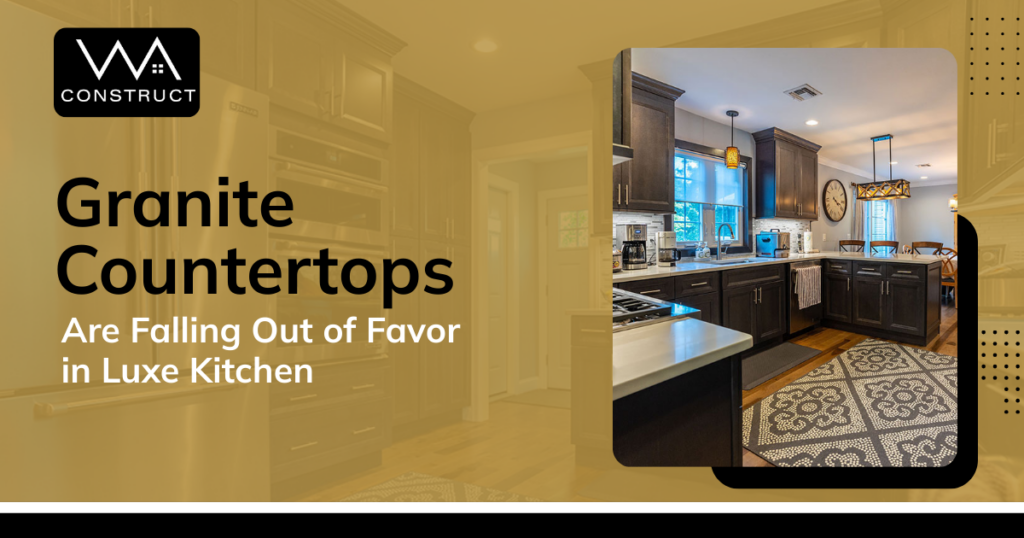
Here’s what we tell clients now: in today’s luxury market, granite dates kitchens far faster than quartz.
This isn’t about trends. It’s about what happens when you live with your choice for decades. The material that once defined luxury now defines the era it came from.
Homeowners aren’t replacing granite bars because they’re broken. They’re replacing them because they’ve become a visual timestamp marker of builder-grade developments and overly busy patterns from another decade.
The shift away from granite wasn’t an aesthetic preference. It was exhaustion with maintenance obligations that never end.
The Material That Became a Maintenance Tax
Granite countertops took over American kitchens in the 90s and early 2000s. They were everywhere. Shiny patterns in brown and beige finishes that screamed luxury at the time.
Then something shifted. Homeowners grew exhausted by the relentless maintenance.
Granite is porous. You seal it regularly, or it stains. Spill wine, coffee, or oil, and you’re racing the clock. Wait too long, and the damage becomes permanent.
There’s even a test: pour water on your granite and wait. If it darkens or absorbs, you’re already behind on sealing.
Quartz counters require zero sealing. Ever. The engineered resin binders create a permanently non-porous surface. Soap, water, done.
That’s the granite vs. quartz bar difference. Granite asks you to manage it. Quartz doesn’t. One material demands ongoing vigilance. The other disappears as a concern the moment it’s installed.
Why Granite Became a Timestamp
The problem wasn’t granite itself. It was overexposure.
Once granite became a builder-grade standard in development houses, it stopped signaling luxury. It became the new Formica. The bare minimum expectation rather than a premium feature. We see this in client consultations. Buyers touring luxury homes notice granite immediately, and not in a good way. It’s become a visual marker of an earlier era.
Granite became a timestamp, not a feature.
In luxury kitchen renovations, quartz bar has become the default. This wasn’t about aesthetics. It was about eliminating recurring obligations. The shift happened quietly but permanently. Homeowners stopped asking for granite. They started asking for anything but granite. That’s not a trend. That’s a market correction based on lived experience.
Note: Whether granite feels dated or acceptable often depends on the scope of the project. The material expectations are very different depending on whether you’re doing a surface refresh or a long-term transformation. We explain this distinction in the difference between a kitchen remodel and renovation, and why it directly impacts material choices like countertops |
The Durability Question
When comparing quartz vs. granite durability, both can last decades with proper care. But “proper care” means completely different things.
Granite demands periodic sealing, immediate spill cleanup, and careful attention to acidic substances. Miss a sealing cycle, and you’re looking at water stains or permanent discoloration.
Quartz demands nothing beyond basic cleaning.
When we’re working on luxury projects, this distinction matters. Our clients expect structural accountability. They’re paying premium rates to eliminate future problems, not inherit maintenance schedules.
The question isn’t which material can last. It’s the question of which material will last without becoming a recurring obligation.
That’s why quartz counters win in luxury residential developments. Property developers recognize that choosing the best kitchen countertop material enhances valuations. But quartz gets specified because its durability meets zero-maintenance expectations.
Countertop Comparison Chart: Granite vs Quartz vs Marble
| Feature | Granite Countertops | Quartz Countertops | Marble Countertops |
| Material Type | Natural stone | Engineered stone | Natural stone |
| Porosity | Porous | Non-porous | Highly porous |
| Maintenance Required | Regular sealing required | No sealing ever | Frequent sealing required |
| Stain Resistance | Moderate (depends on sealing) | Excellent | Poor |
| Durability | Durable but maintenance-dependent | Highly durable with minimal care | Softer and more prone to damage |
| Reaction to Acids | Can etch if not sealed | Resistant | Etches easily |
| Daily Use Tolerance | Requires vigilance | Forgiving for everyday use | Punishes normal kitchen use |
| Visual Longevity | Often reads dated in luxury markets | Clean, modern, long-lasting | Timeless but high-risk |
| Best Use Case | Homes accepting ongoing maintenance | Modern luxury kitchens | Low-impact areas like bathrooms |
| Overall Verdict | High maintenance, declining appeal | Best kitchen countertop material for most luxury homes | Beautiful but demanding |
What About Marble?
A strong kitchen remodel budget is built on preparation, not assumptions.
The process starts by setting a realistic total budget that reflects what you can afford if unexpected issues arise, not just what you hope to spend. Planning for uncertainty is part of responsible budgeting.
Contingency planning exists because homes hide conditions. When it is not needed, it remains unused. When it is needed, it prevents financial stress and delays.
Budget priorities matter as well. Structural work and systems should come first, followed by core finishes. Optional upgrades should come last. This order protects the overall kitchen remodel budget if adjustments are required.
Finally, decisions must be locked before construction begins. Materials, fixtures, layouts, and appliance specifications should be documented clearly. Any changes after work starts should follow a transparent process. This approach keeps kitchen remodel costs predictable.
What Transparency Looks Like During a Kitchen Remodel
Marble bars are beautiful. They’re also the most high-maintenance option you can choose.
In the granite vs. marble countertops debate, marble is softer than granite, more porous, and reacts to acids. Lemon juice etches the surface. Wine stains it. Hot pans can damage it.
If you want marble counters, we’ll install them. But we’ll also tell you what they require: constant vigilance, immediate spill cleanup, regular sealing, and acceptance that patina and etching are part of the material’s character.
Some clients love that evolving character. Most don’t.
Marble performs best in lower-impact areas like bathrooms, where exposure is limited. In kitchens, it becomes a source of anxiety.
Unless you’re prepared to treat your countertops like museum pieces, marble creates more stress than satisfaction. It’s a material that punishes normal kitchen use and rewards obsessive care.
The Real Cost Calculation
When evaluating the granite vs. quartz cost comparison, remember that cost isn’t just the installation price.
Granite bar’s real cost includes regular sealing, immediate spill response to avoid permanent damage, potential resurfacing or replacement if sealing lapses, and reduced resale appeal in markets where granite signals “dated.”
Quartz worktops’ cost is the number on the invoice. Nothing compounds after installation.
We build for clients who want certainty, not surprises. When you’re investing in a luxury kitchen renovation, the countertop decision shouldn’t create a decades-long maintenance obligation.
Most countertop regret doesn’t come from broken stone; it comes from decisions made without asking the right questions upfront. We outline that decision framework in the questions that prevent expensive kitchen regrets, long before materials are ordered.
The material you choose today will either fade into the background as a reliable surface, or it will demand your attention every time you cook, spill, or clean.
That’s not a minor consideration. That’s the difference between a kitchen that serves you and one that you serve.
What We Recommend Now
At WA Construct, we don’t push quartz worktops because they’re trendy. We recommend them because they eliminate client regret.
When clients ask about granite vs. quartz vs. marble countertops, quartz delivers the look of natural stone without the porosity, sealing requirements, or staining anxiety. It’s engineered for durability and designed to disappear as a maintenance concern.
If you want a granite bar, we’ll install it. But we’ll also walk you through the sealing schedule, spill response requirements, and long-term care expectations. Some clients hear that and choose granite anyway. Most don’t.
If you want marble, we’ll install it. But we’ll also explain that etching and patina are features, not bugs. If that makes you uncomfortable, marble isn’t your material.
Our job isn’t to sell you a surface. It’s to eliminate the decisions you’ll regret years later.
The Final Verdict
In today’s luxury market, granite dates kitchens far faster than quartz. That’s the reality we see in every high-end project we deliver.
Quartz won because it eliminated the maintenance tax homeowners didn’t realize they were signing up for. The material that once defined luxury now defines the era it came from.
If you’re choosing countertops for the next several decades, ask yourself this: do you want a surface that demands constant attention, or one that disappears as a concern the moment it’s installed?
In the quartz vs marble countertops comparison, marble belongs in bathrooms or in homes where owners embrace its high-maintenance character. Granite belongs in the past, unless you’re prepared for regular sealing and vigilant spill management.
Quartz belongs in modern luxury kitchens because it delivers what matters most: durability without the ongoing burden. That’s not a trend. That’s a permanent shift in countertop materials.
Ready to make a countertop decision you won’t regret in five years?
Schedule a consultation with WA Construct, and we’ll walk you through exactly what your kitchen needs, without the maintenance burden.
Frequently Asked Questions
Yes, granite counters require regular sealing to prevent staining and water absorption. Skip a sealing cycle, and you risk permanent damage.
Both last decades, but quartz counters require zero maintenance, while granite demands periodic sealing and careful spill management.
Granite became a builder-grade standard in the 90s and 2000s, making it a visual timestamp rather than a luxury feature.
Absolutely. Quartz eliminates maintenance obligations and won’t date your kitchen as granite does.
You can, but marble etches from acids, stains easily, and requires constant vigilance. Most clients prefer it for bathrooms only.
Quartz countertops deliver durability, zero maintenance, and won’t become a visual timestamp in your kitchen.
No. The engineered resin binders create a permanently non-porous surface that resists staining without any sealing required.
Granite requires sealing regularly, immediate spill cleanup, and careful attention to acidic substances to avoid permanent discoloration.